
Twin Peaks: The Return Offers Meditation on Grief, Feeling Life in the Moment
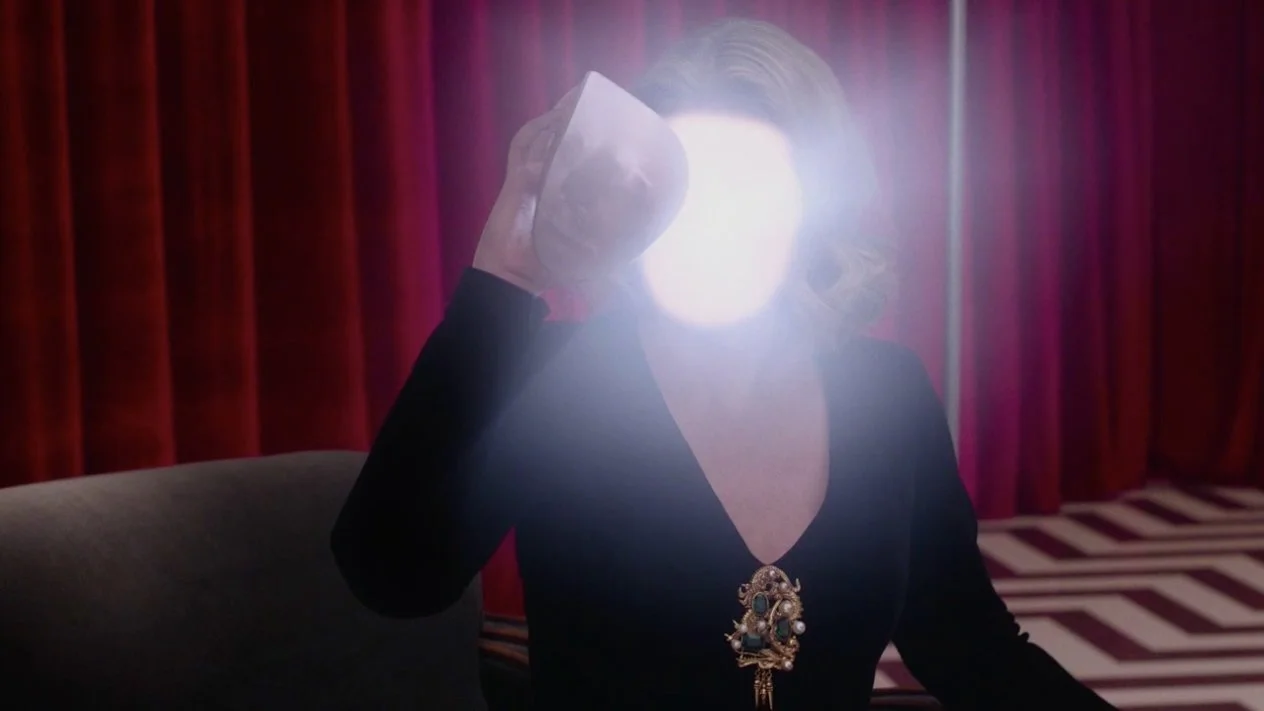
Still from Twin Peaks: The Return
press kit
**CW: The following contains spoilers for Twin Peaks: The Return, episodes 5 and 6, and mentions death of children.
Last week, I dreamt that I was walking through a craft fair under long awnings. There were vendors selling crystals, jewelry, and handmade clothes. I was wearing suede green ballet flats. I carelessly flung one of my shoes off into a heap of merchandise and continued walking, thinking I’d come back for it in a minute. When I came back, I searched every bin I could see, every corner of that store, but the shoe was gone. I enlisted the help of store employees. I had lost my shoe. I woke up in tears.
Dreams are a strange thing. They can mean things implicitly; the meaning of the dream often reveals itself not in the imagery but in the way an image makes you feel. I knew when I woke from this dream that it had been about my uncle, who was dying, his body shutting down more and more each day. The feeling of how carelessly I had misplaced my shoe mirrored the impending loss I felt for someone who had always been there and who I had taken for granted, not fully realizing the humor and light he brought to not only me but everyone around him until his time was running short.
Two days after the dream, I entered a darkly lit theater in Northwest Film Forum to the familiar sound of the synth-heavy, nostalgic yet eerie Twin Peaks theme song, and shuffled into a seat. I was about to spend two hours watching episodes five and six of Twin Peaks: The Return (2017), as part of a collaborative screening of the entire 18-episode season held by Northwest Film Forum, SIFF, The Beacon, and The Grand Illusion Cinema between November 13 and December 16 of this year. I had only watched the first four episodes of the first season of David Lynch’s masterpiece series set in our home state. But there I sat, going in blind.
Right off the bat, things were off to a silly and very dark start. In the opening scene, a coroner tells two detectives, “Cause of death? Took me a while, but I think someone cut this man’s head off. Here’s the headline. Actually, I just gave you the headline. Yeah. I’m still doing standup on the weekends.” Dougie (Kyle MacLachlan) provides endless entertainment as he slowly eats bags of Miss Vickie’s chips and continuously plays tricks on his coworkers in the elevator. In another moment, Carl (Harry Dean Stanton) sits in the back of a truck with a friend, heading into town. He offers his friend a smoke. His friend replies—hand shaking—that he quit, to which Carl says, “I’ve been smoking for 75 years, every fucking day.” They both chuckle, and everyone in the theater laughed.
In my past encounters with Lynch’s work, I always felt there was an unsettling, uncanny air to many of his characters, but this time, I saw the humanity in them, too, and how well-realized and true to life their eccentricities were.
There were also scenes which gutted me, particularly in episode six. The climax, and the worst scene by far, shows the kid that Carl saw earlier (running through the park with his mom) getting run over by a truck. His mother runs to him and holds him in the street, wailing. Onlookers stare, their faces riddled with horror, but doing nothing to help. Carl is the only one to approach the child’s mother. He goes to her, puts his hand on her back, and just looks at her. Her eyes locked on his, breathing through the sobs, it is a moment where we see very clearly that he is saying to her, “I’m here, and I can take some of your pain. You can give it to me.”
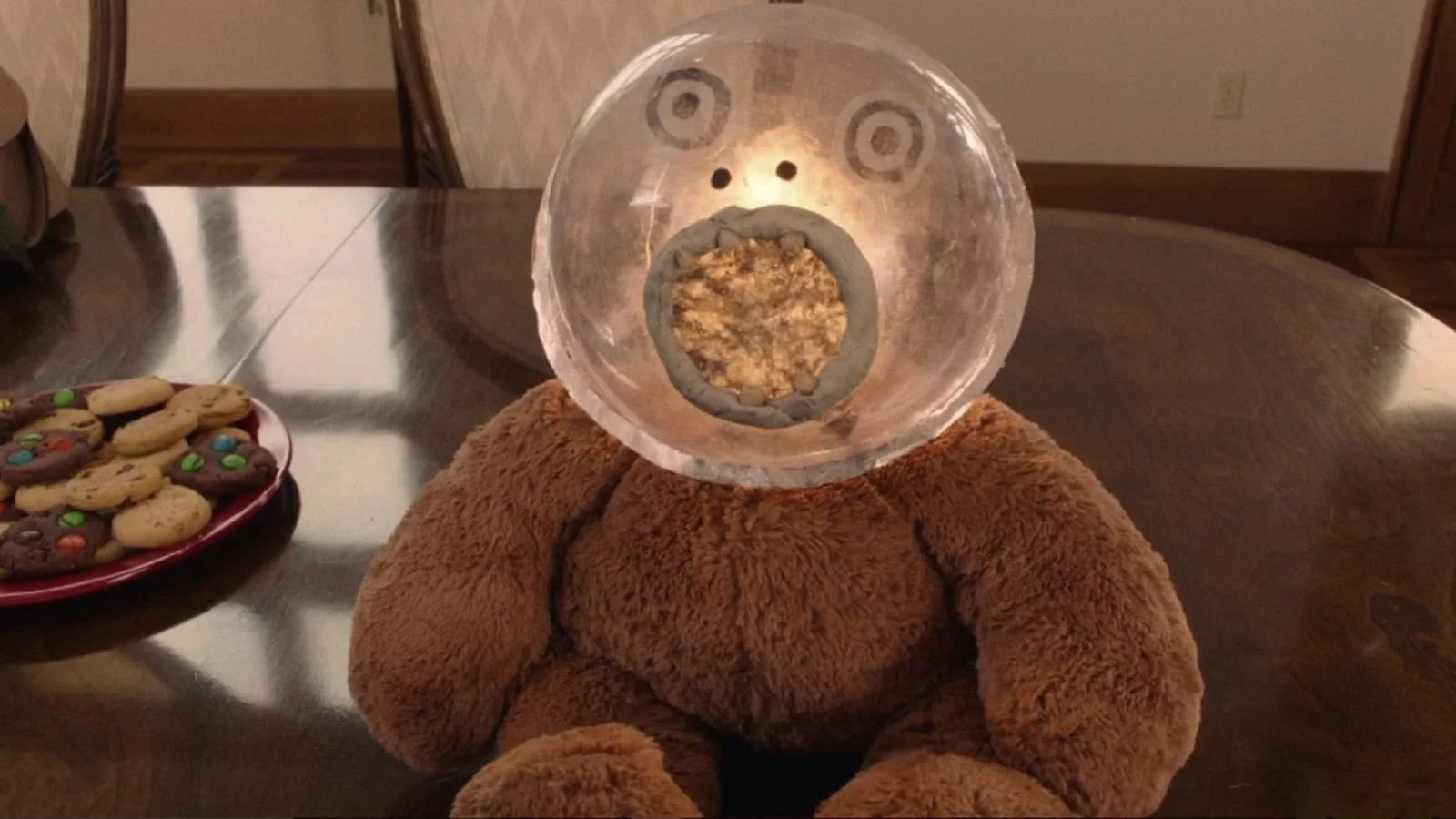
Still from Twin Peaks: The Return
press kit
At the closing of the episode, Sharon Van Etten performs “Tarifa” live with her band in the Roadhouse and the credits begin to roll. The light is plum, grey, and deep blue. Etten sings the following words:
Slow it was 7:00
I wish it was 7:00 all night
